
[the] QP Time(s)
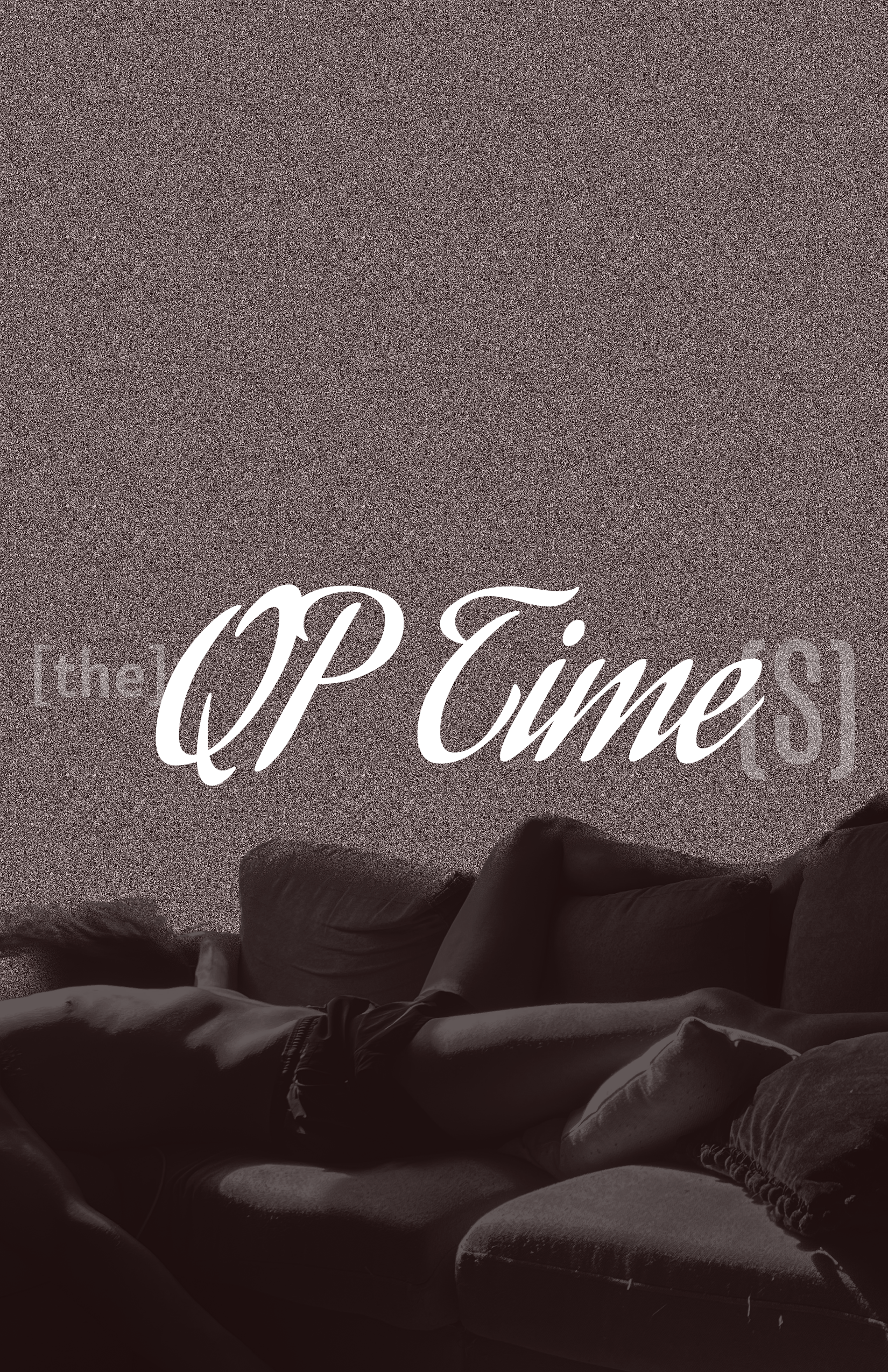
[The] QP Time(s) is a project that was done as a final assessment of work in Gay Harlem — a course I took in my last semester at Columbia. The class explored representations of queer Harlem in African American literature, sonic culture, and performance — this project is meant to demonstrate my interpretation and understanding of those themes in modern application.
-
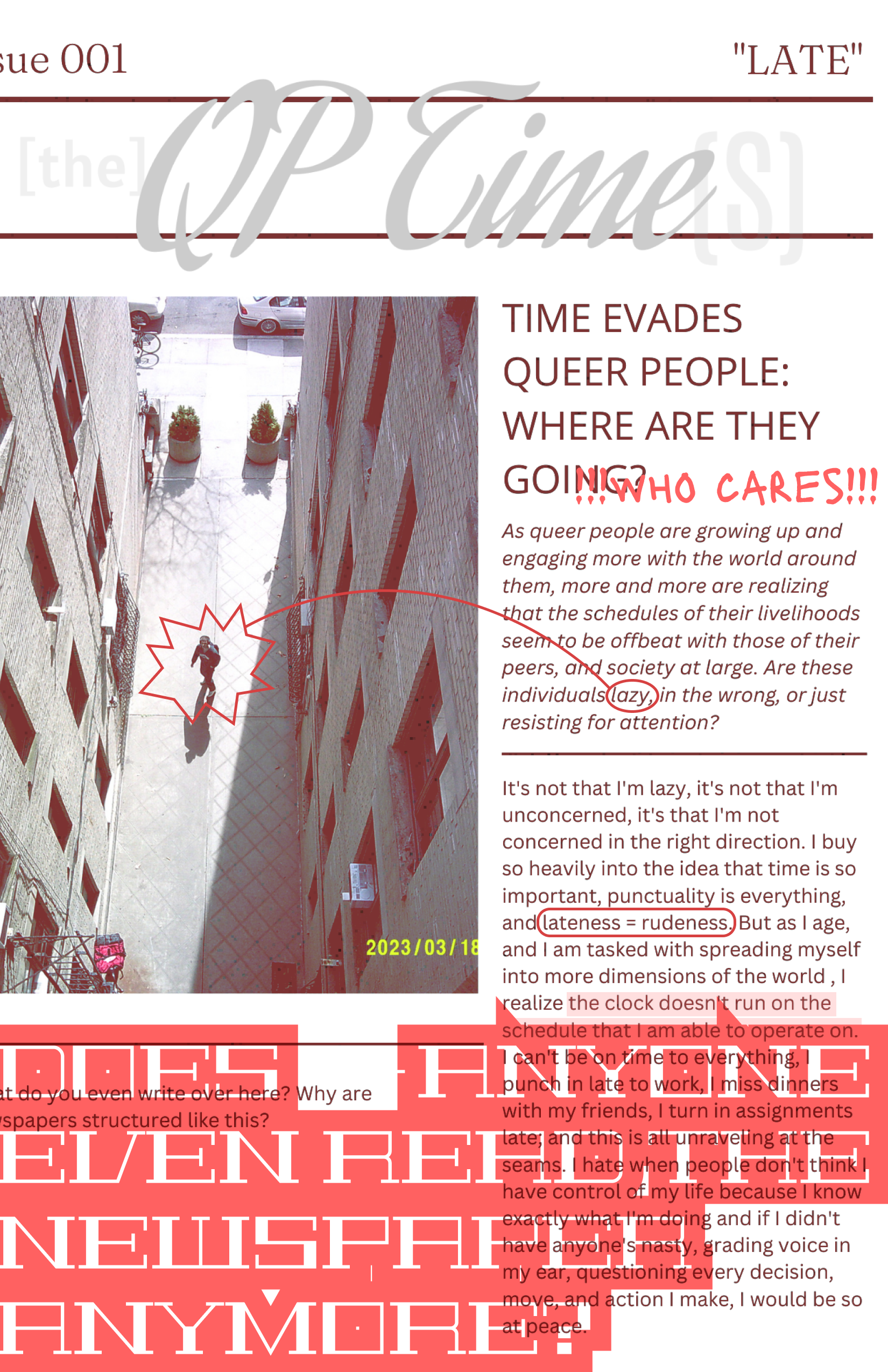
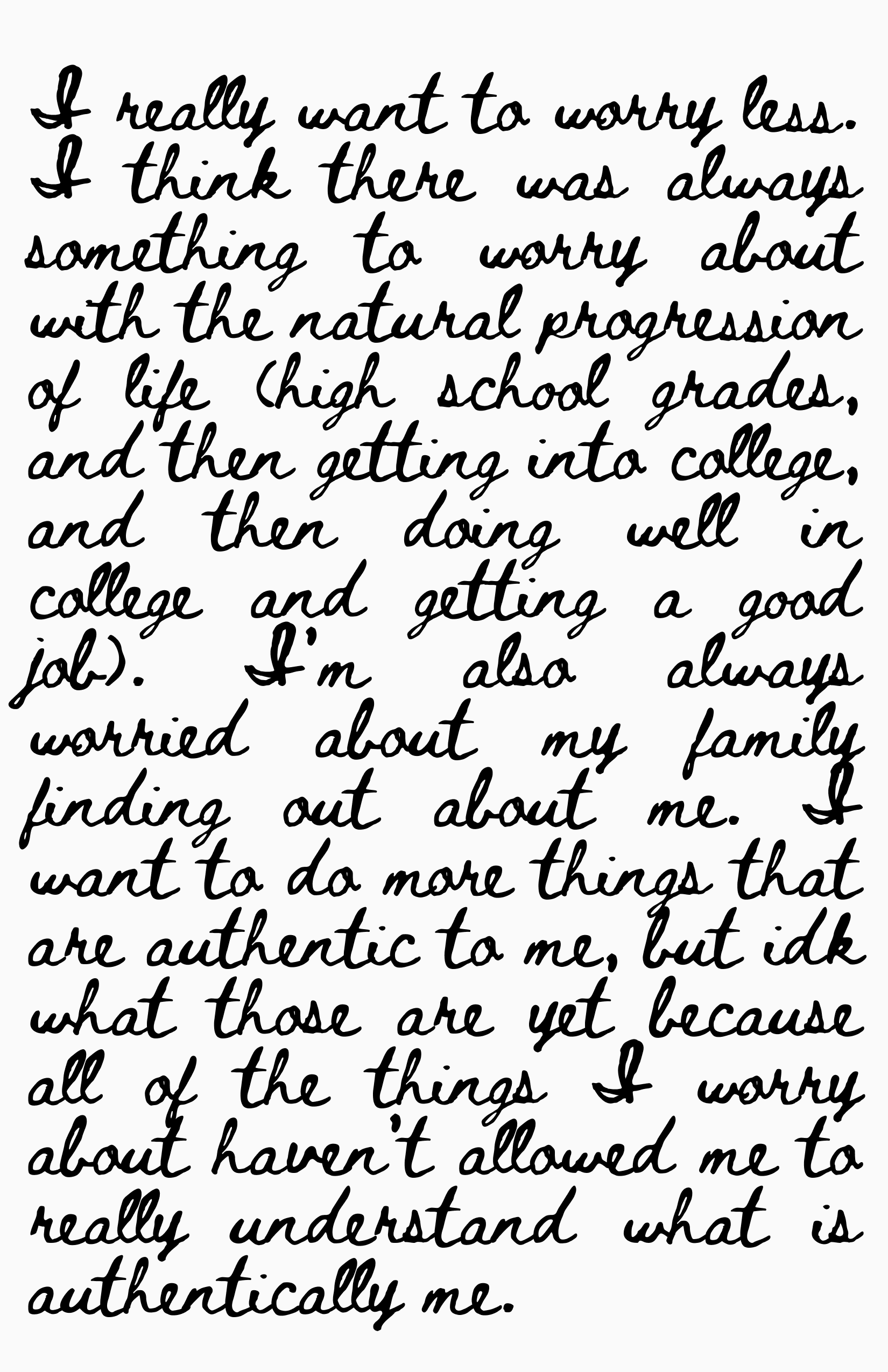
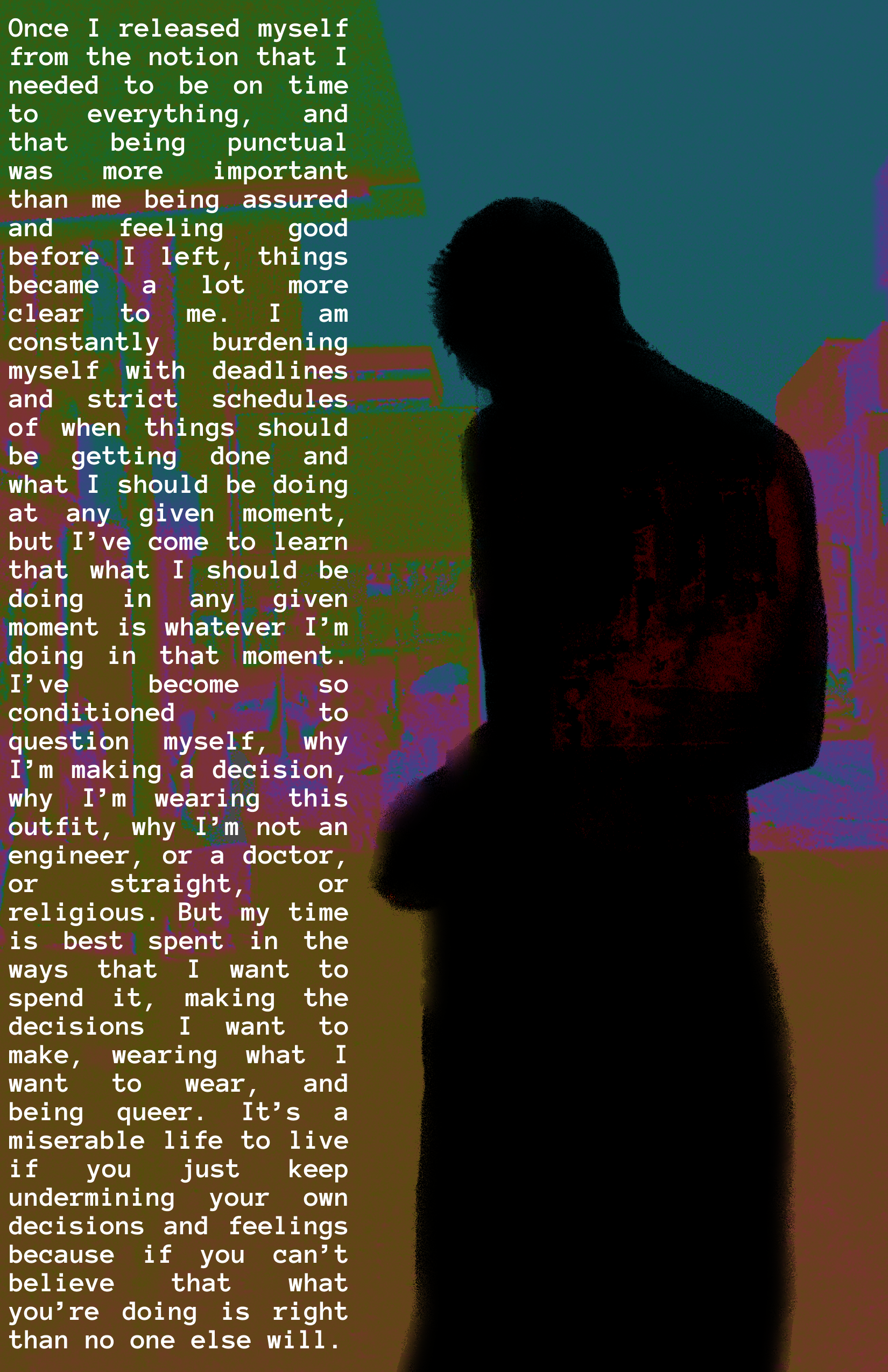
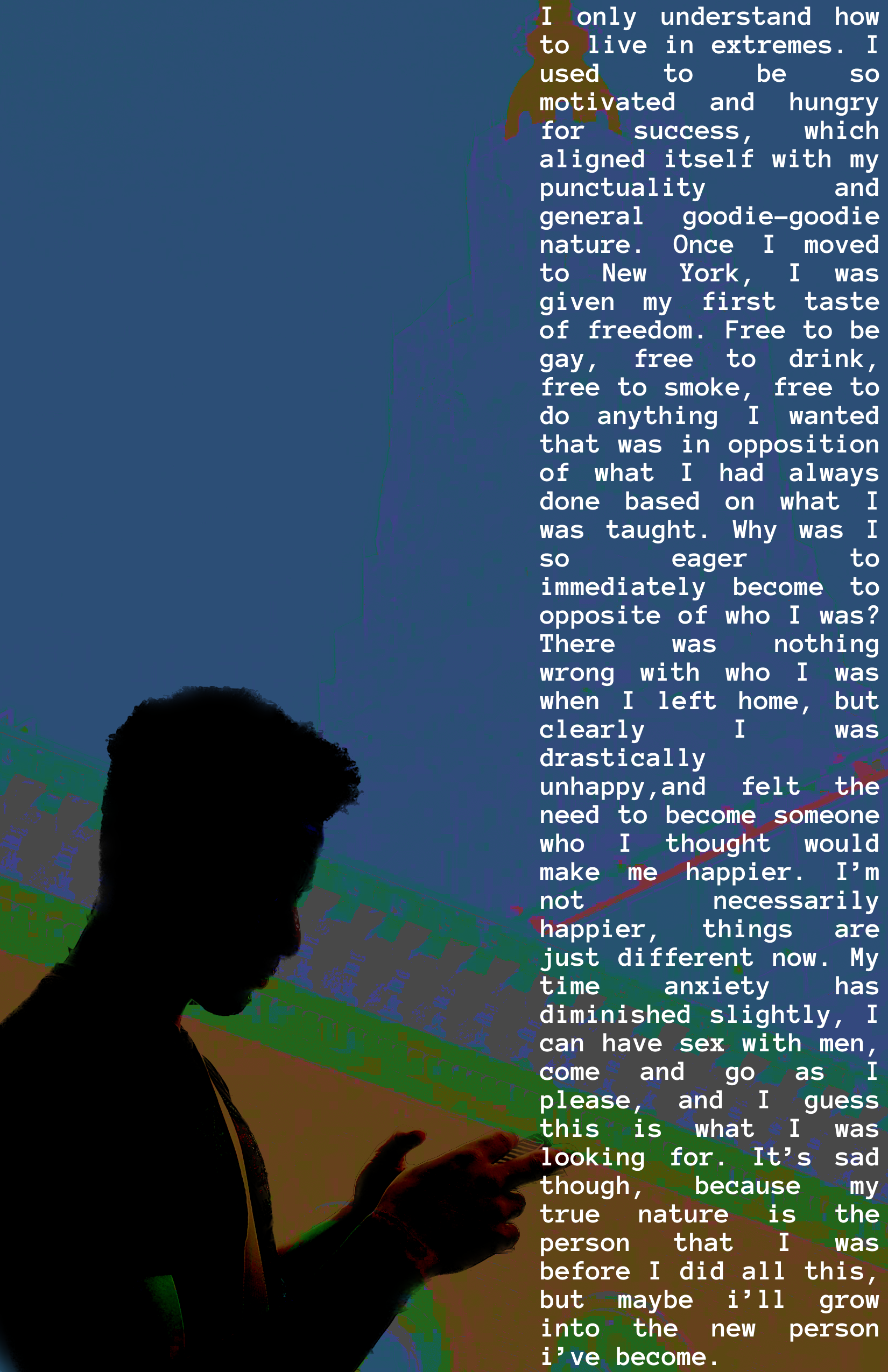
In my final project for the course, I address the theme of queer temporality through creating a zine that exemplifies what queer temporality has meant to me in my personal life, my community, as well as historically for queer people. In our class discussions regarding queer temporality, that was the first I had ever heard of the term or the phenomenon that time functions in a different manner for people with different identities. I have always subscribed to a heteronormative agenda of time, likely due to my immigrant dad’s assimilation mechanisms in the U.S., which came with his lessons of valuing the concept of getting a job, finding success in a traditionally laborious way, and using every second of the day to be productive in order to create better circumstances for yourself. I never questioned this notion of time nor did I question the things that he taught me to value, but as I grew up, there was always an inkling in the back of my mind that something was off. Even as I quickly came to learn that I was gay around 6th grade, I knew to hide it and conduct myself in a manner that lined up with what I was always taught. When I came to Columbia, and my parents drove the 500 or so miles back to Ohio, I was prepared to unravel the seams of who I was and open myself up to everything that I had missed out on, hid about myself, or didn’t even know existed. Although I thought that finally embracing my sexuality, rejecting the religious manner in which I was raised, and moving through the world in a way that felt authentic to me would mean the end of my struggles, there was so much more that I didn’t know that I had to unlearn in order to truly understand who I was and be happy with the person I was. Time was a significant factor in this discovery. Queer temporality refers to the ways in which queer people experience time in their own lives. The concept is reliant on the idea that time, and values associated with time, were constructed through a heteronormative lens that does not create space for queer individuals to live in a manner that is authentic to their values. The title of the zine, “[the] QP Time(s)” is a play on words to present the zine as if it is a running publication, while explicitly stating the topic of QP, or “queer people,” and their time.
-
I had several texts in mind while creating this zine, all of which interacted with each other to help me understand what queer temporality means to me, and as a result, produce a multimedia project that showcases that. Richard Bruce Nugent’s “Smoke, Lilies and Jade” was the biggest inspiration behind my choice to address queer temporality in my zine. The way that Alex is written as a character and every action he takes throughout the story demonstrate the qualities of queer temporality. The opening lines of the story resonated with me strongly, as they demonstrate how I felt before I knew what queer temporality was and upon learning about it in a formal context, I felt like there was finally something to describe how I have always felt: “He wanted to do something…to write or draw…or something…but it was so comfortable just to lay there on the bed…his shoes off…and think…think of everything…” (Nugent 33). This concept of spending one’s time doing the things that one wants to do rather than what they feel they should do is incredibly relieving. It demonstrates the validity of rejecting heteronormative structures of time and erases the narrative that queer people’s time is spent on negligible tasks. This concept of validating the ways in which queer people spend their time is further discussed in Shane Vogel’s “Closing Time.” In this piece, Vogel discusses the value of nightlife for queer people, keying in on the fulfillment they receive in spending time with each other and on a schedule that falls outside of the heteronormative time structure. The quote from this text that I appreciated most and helped inspire designs in the zine reads, “Closing time always reaches beyond itself: rather than marking the termination of social possibilities, it marks a transformation of time and space that operates in the interstices of the law” (Vogel 112). This quote illuminates the special nature of closing time and queer joy as these fleeting moments that require significant anticipation, and leave us before we know it. This inspired aspects of my collage pages in the zine, where I capture the fleeting moments that exist where there was no pressure to participate in the heteronormative notion of time. These moments are few and far between, as the pressures of heteronormative values are what govern the ways individuals understand the notions of success and productivity, but when these moments do come, they are short bursts of queer liberation and they make all the anticipation and participation in undesirable tasks worth it. The last text that drove the inspiration behind my zine is La Marr Jurelle Bruce’s How to Go Mad Without Losing Your Mind. Bruce’s notion of “Western Standard Time” was essential to my understanding of the true nature of queer temporality and how it is perceived by those who subscribe to the heteronormative time agenda. His likening of heteronormative time to a parade helps to illustrate the ways in which heteronormative society aims to impose their agenda on all individuals while simultaneously ensuring that no other notions of time become widely adopted or understood. He explains this in saying “These Others (black people, mad people, queer people, et al.) are often displaced to make way for the parade route, or sequestered to its sidelines, or trampled underfoot, or else conscripted, but only in token numbers, to march in its second line” (Bruce 205). This demonstration of how queer people and their values of time are perceived and treated proved this piece to be one of the readings that helped my understanding of what it means to subscribe to a life of queer temporality and how liberating it can be to accept the fact that heteronormative time schedules do not have to work for everyone.
-
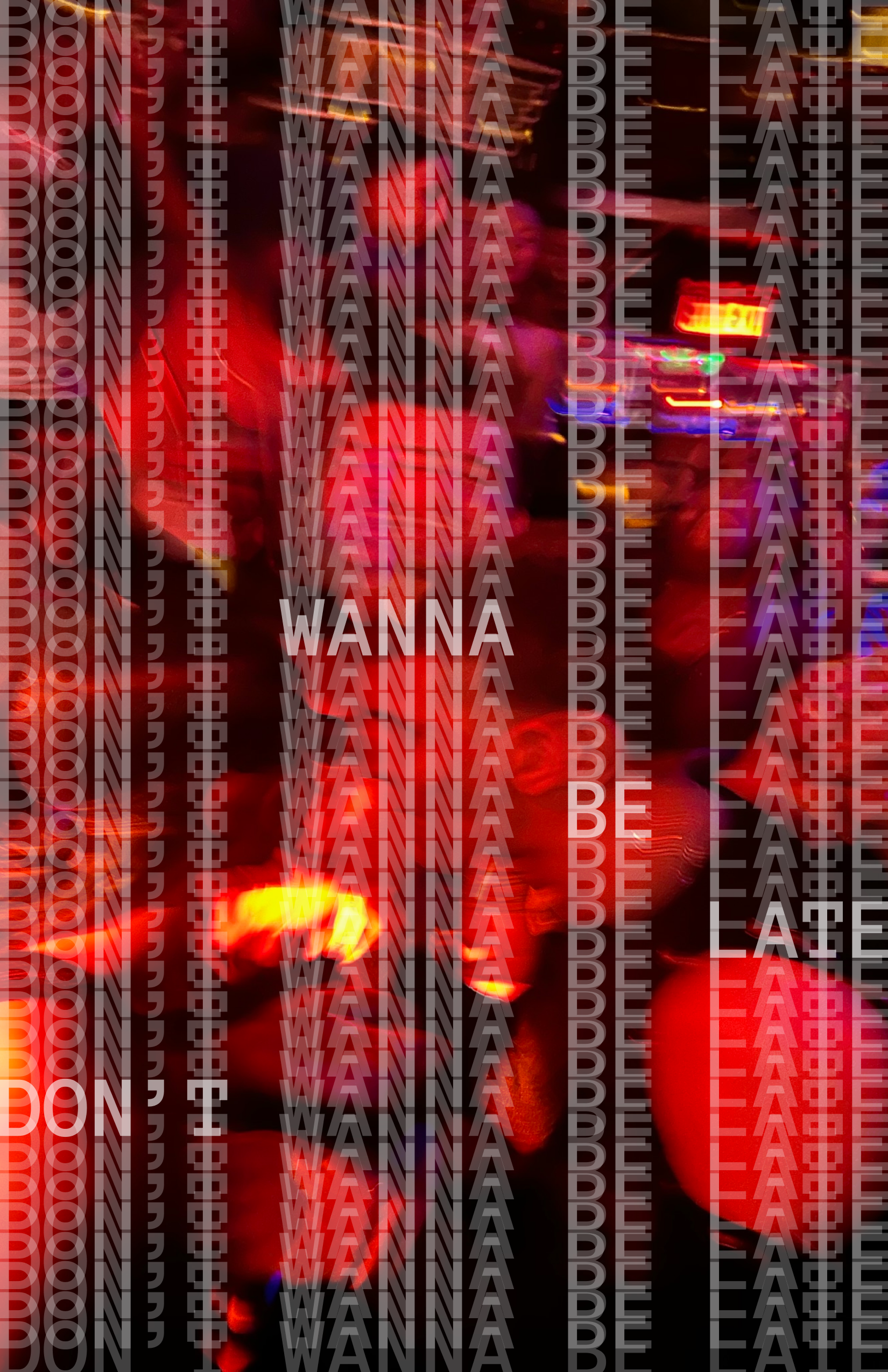
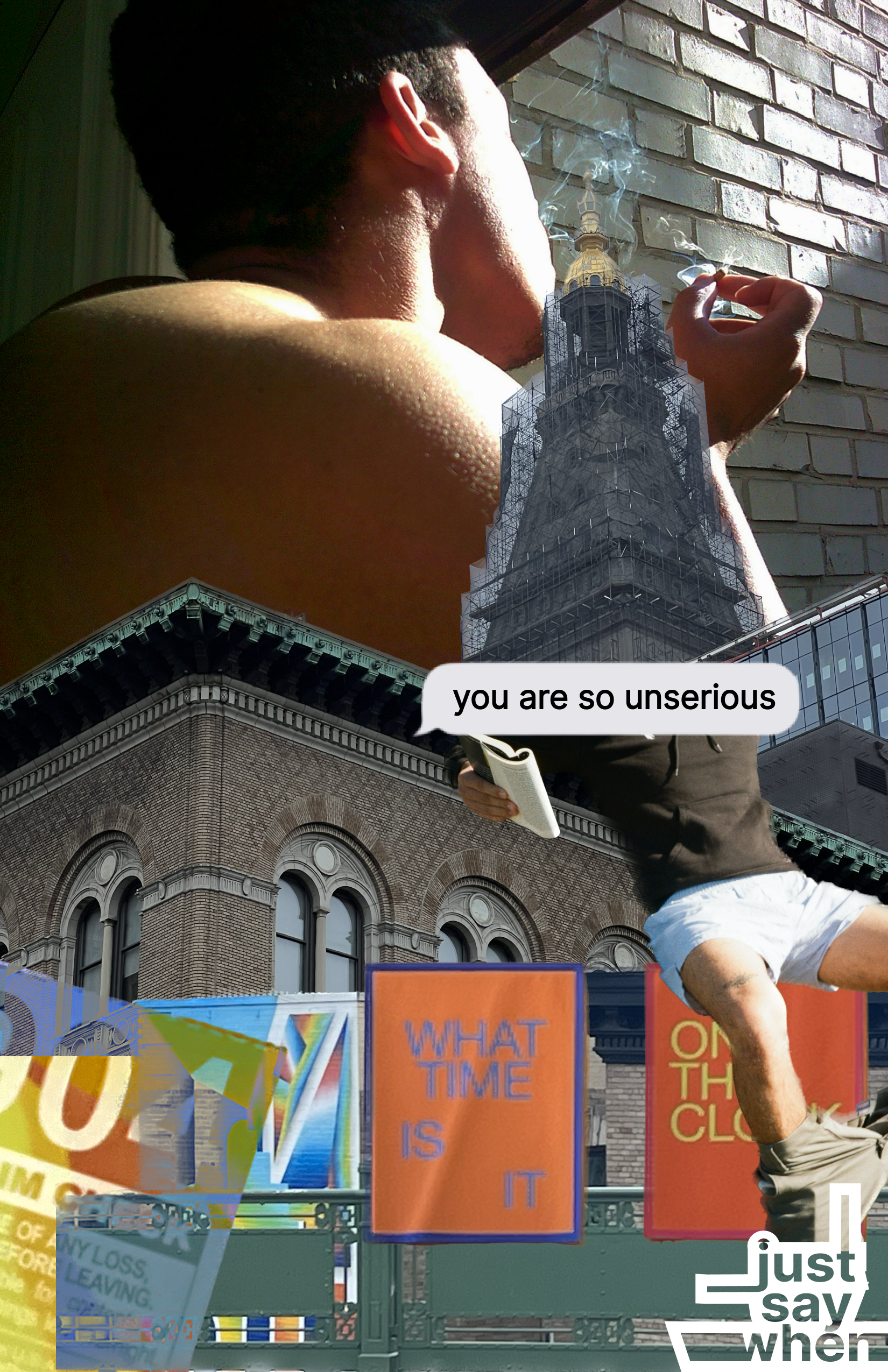
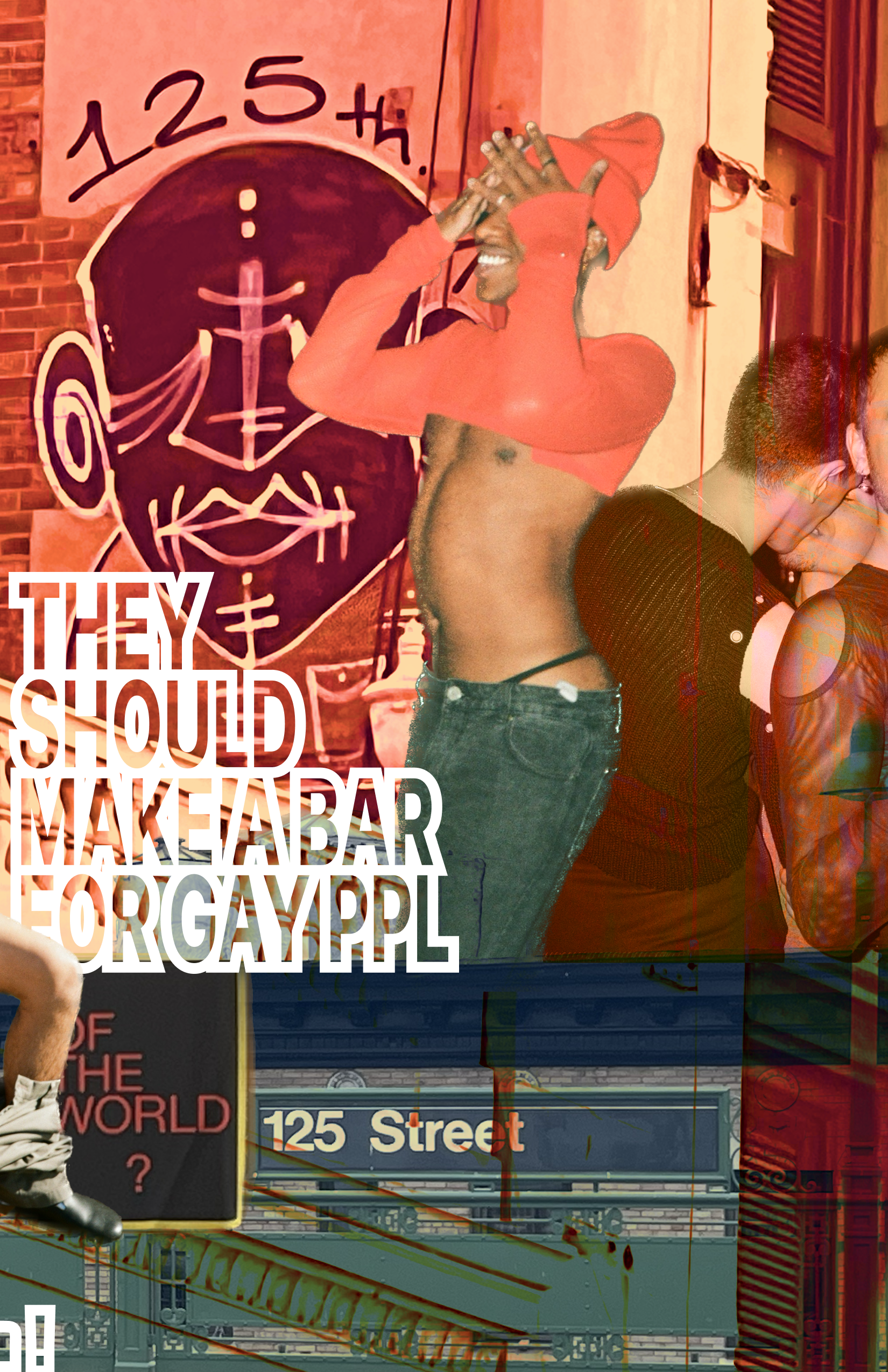
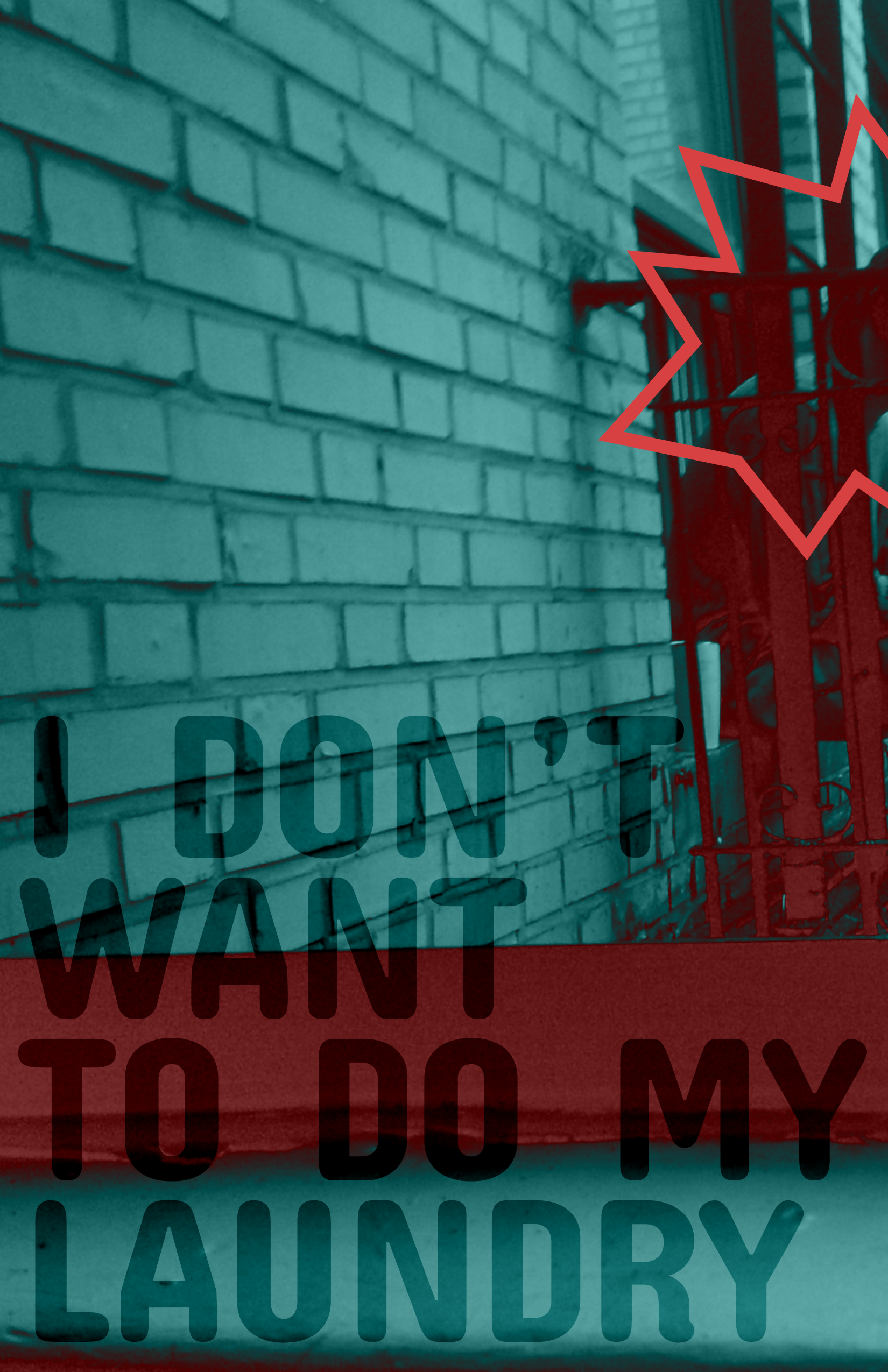
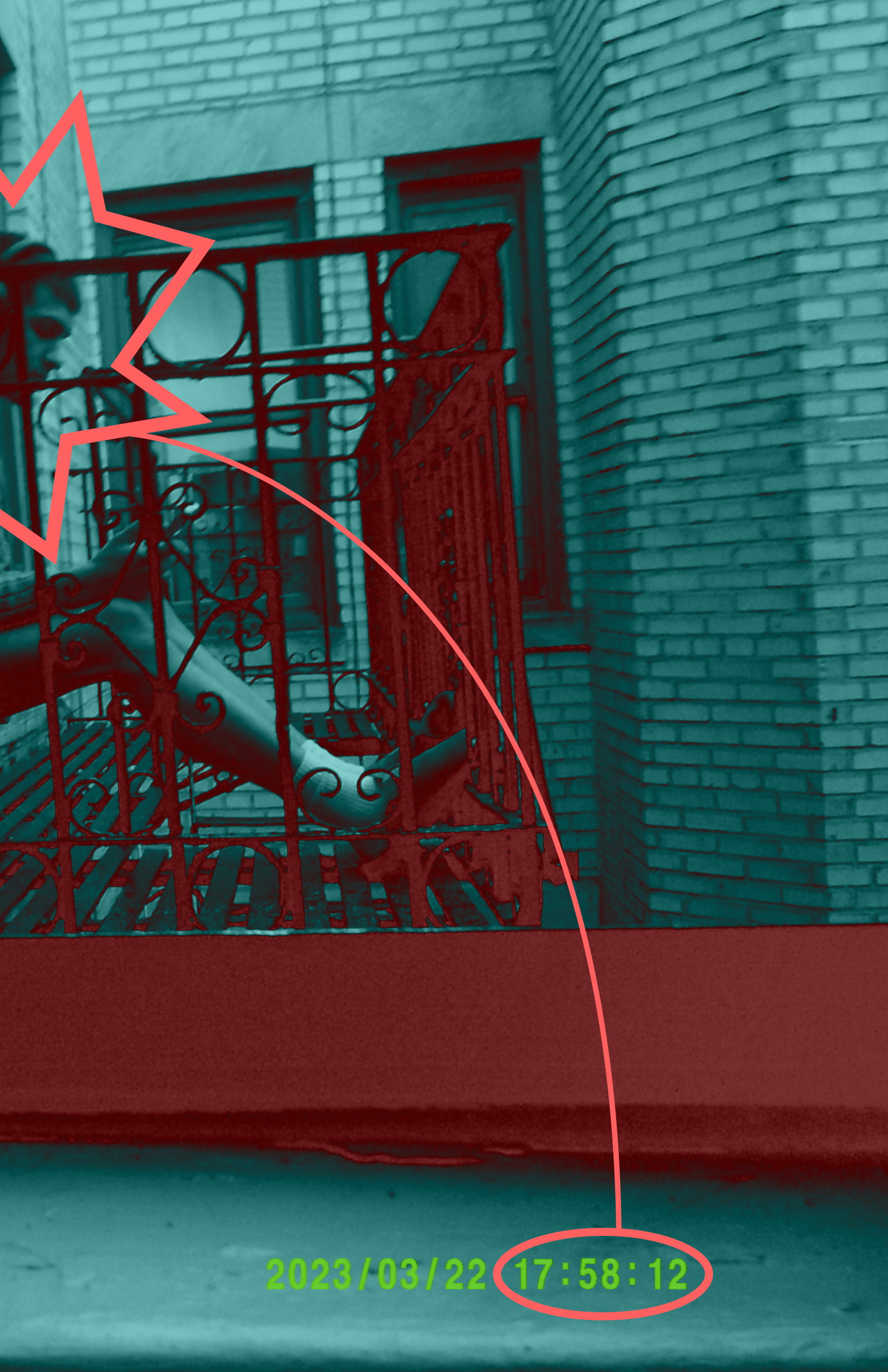
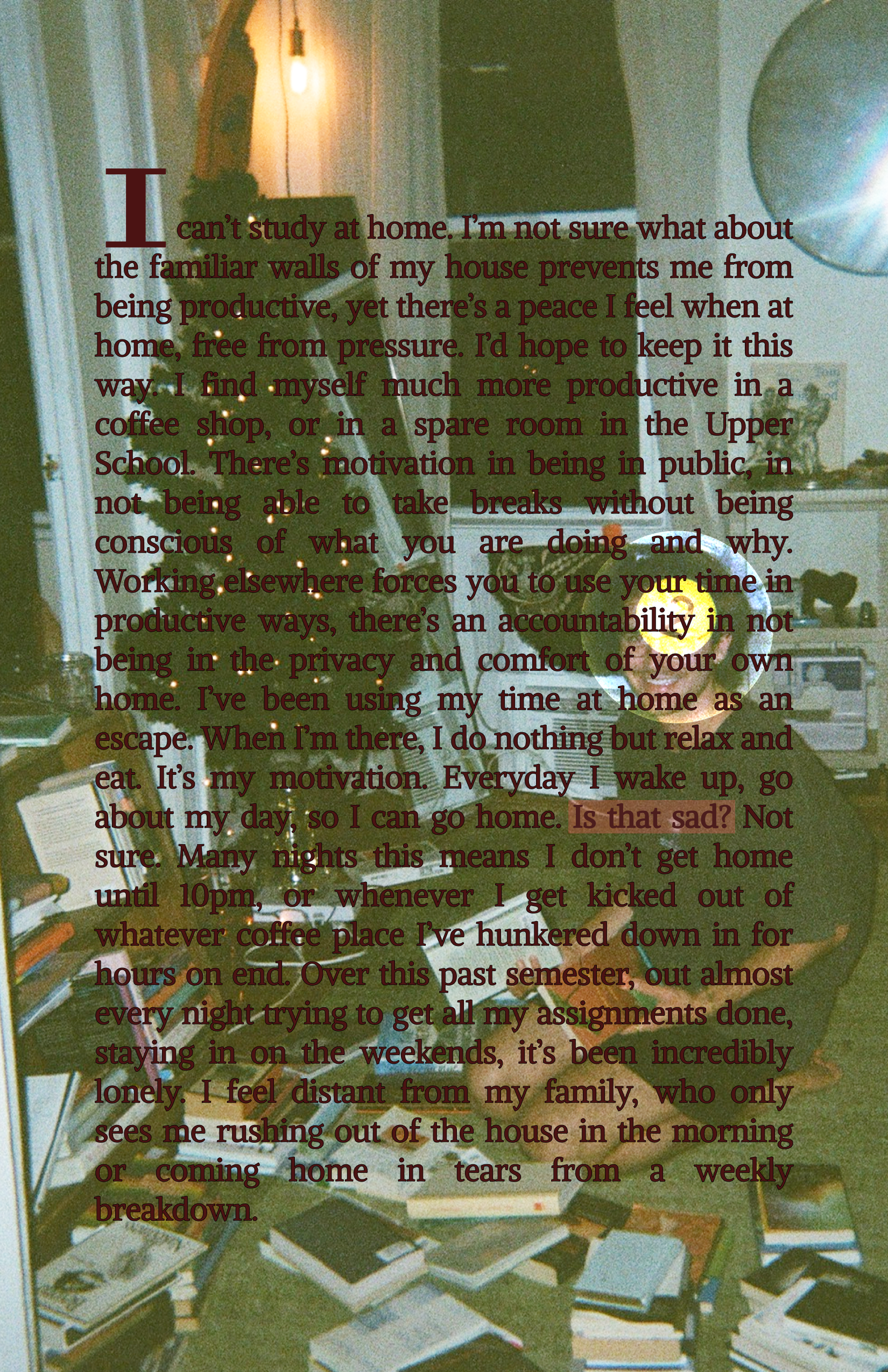
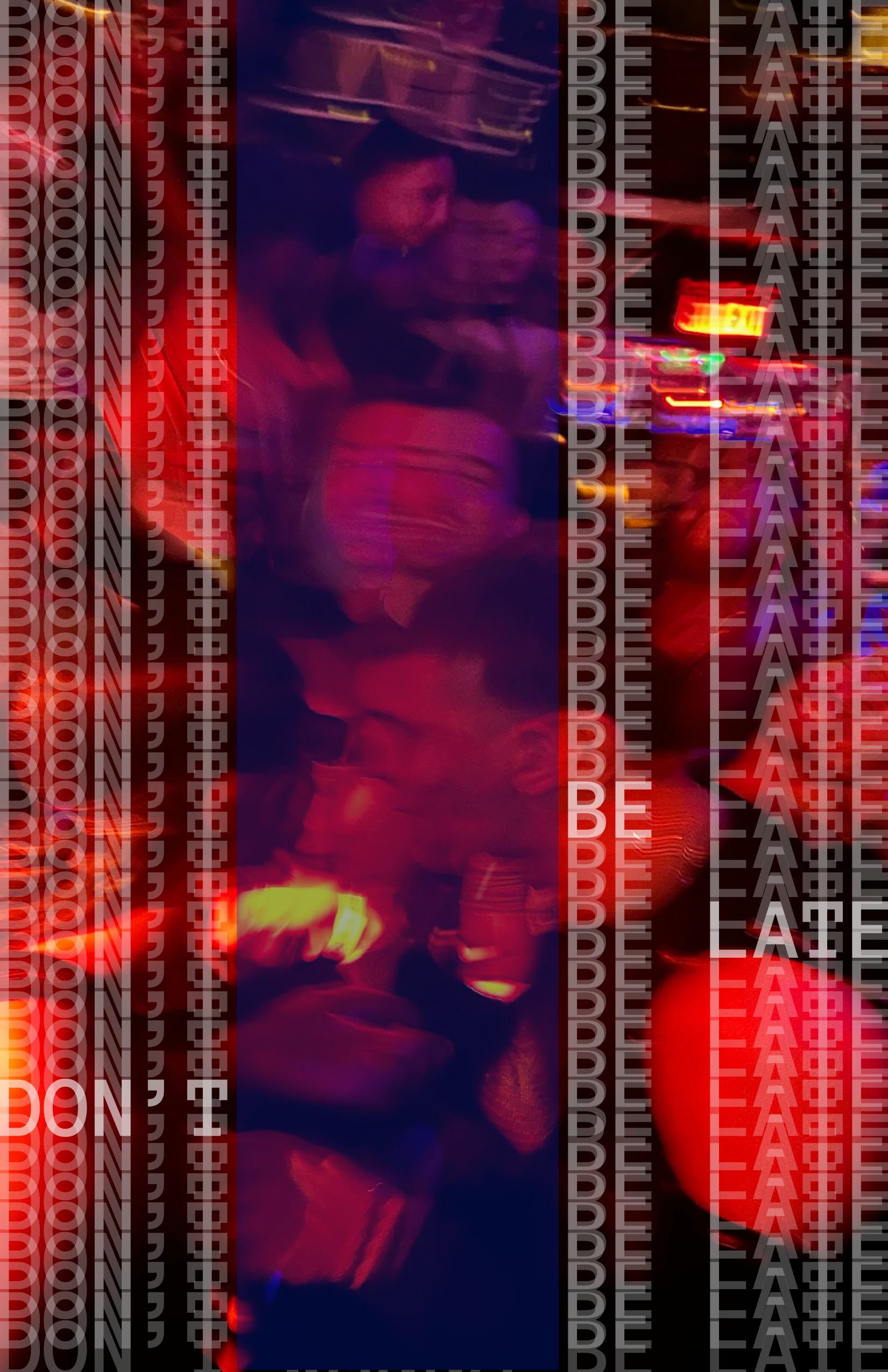
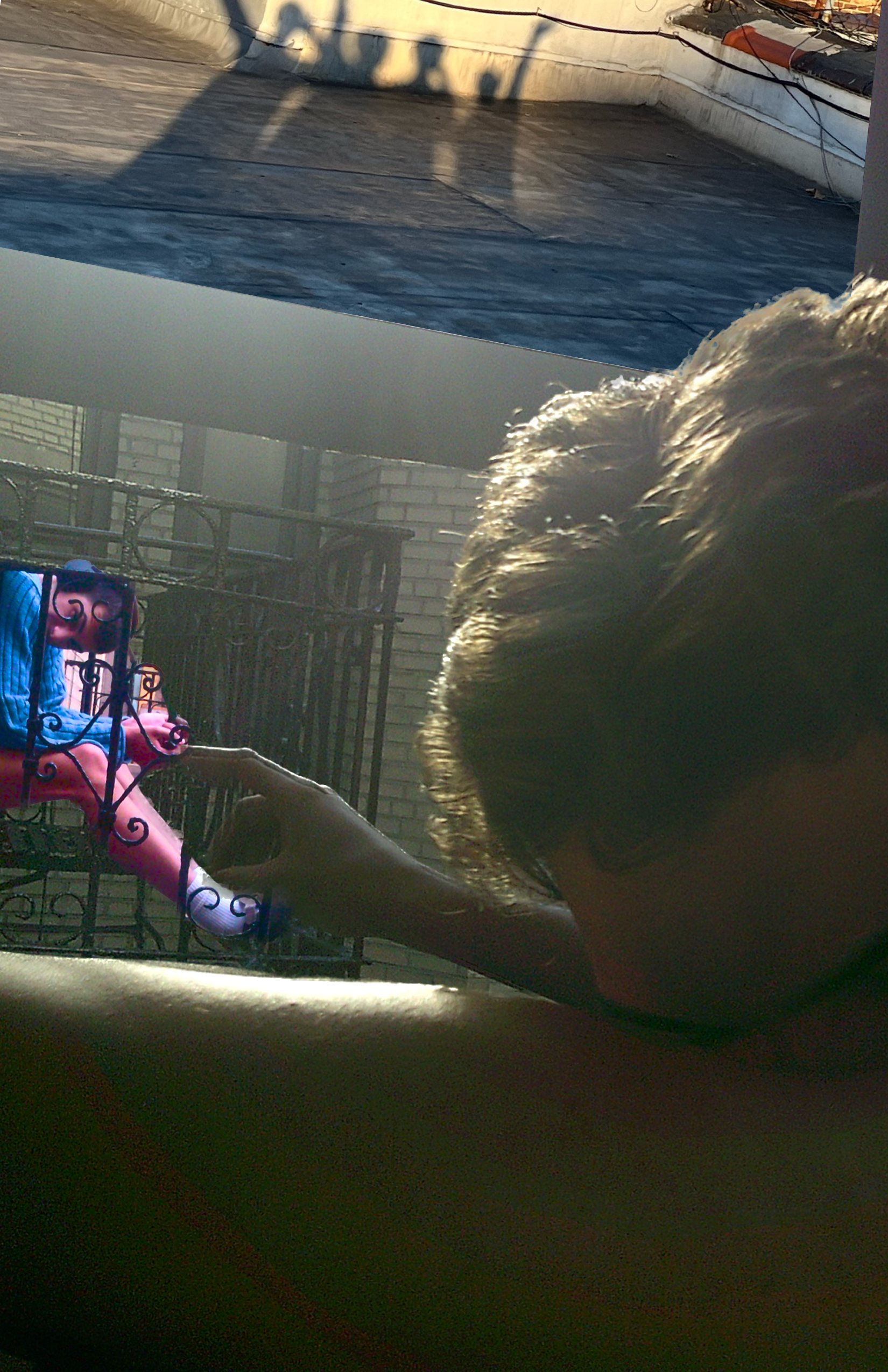
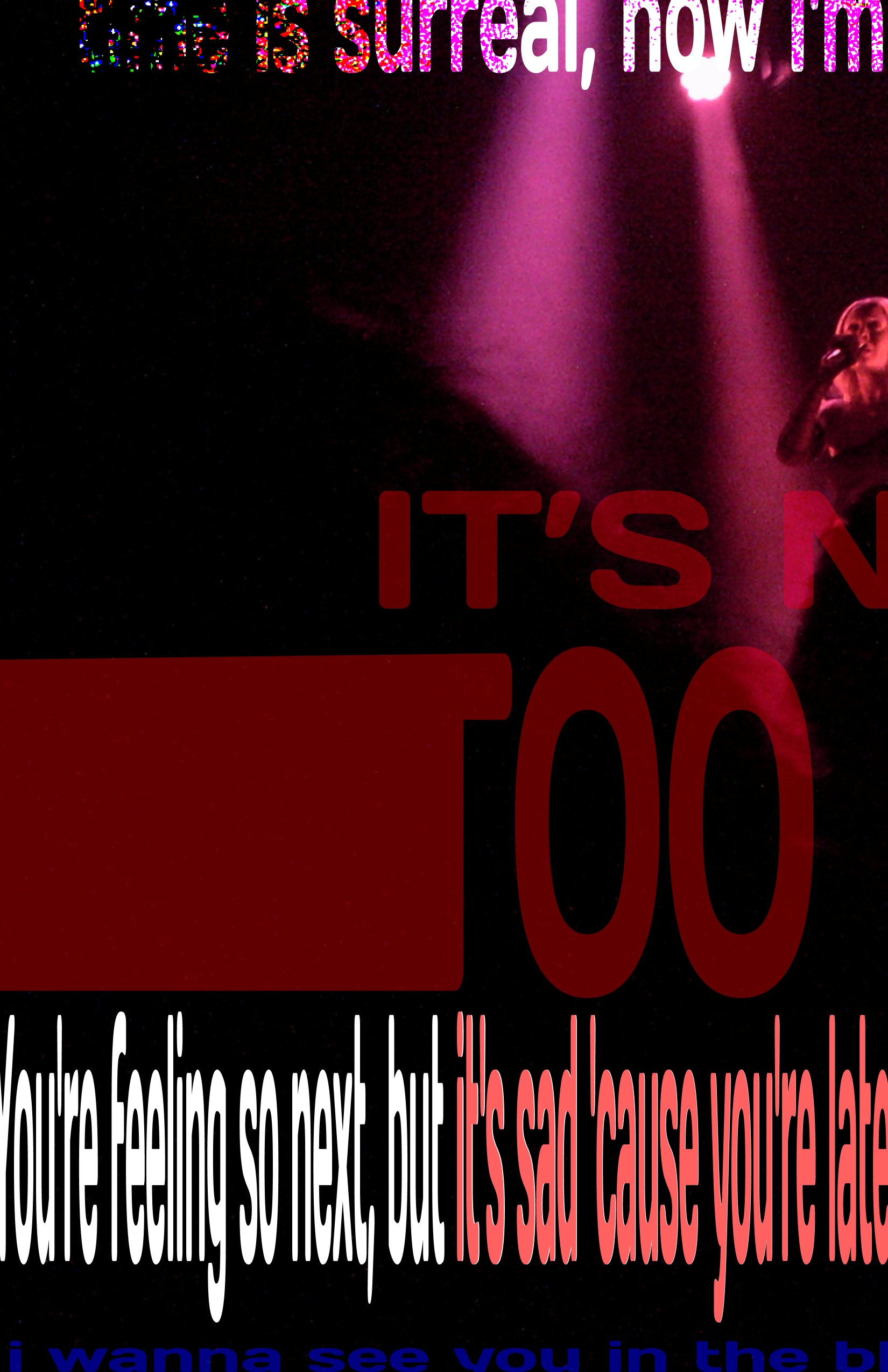
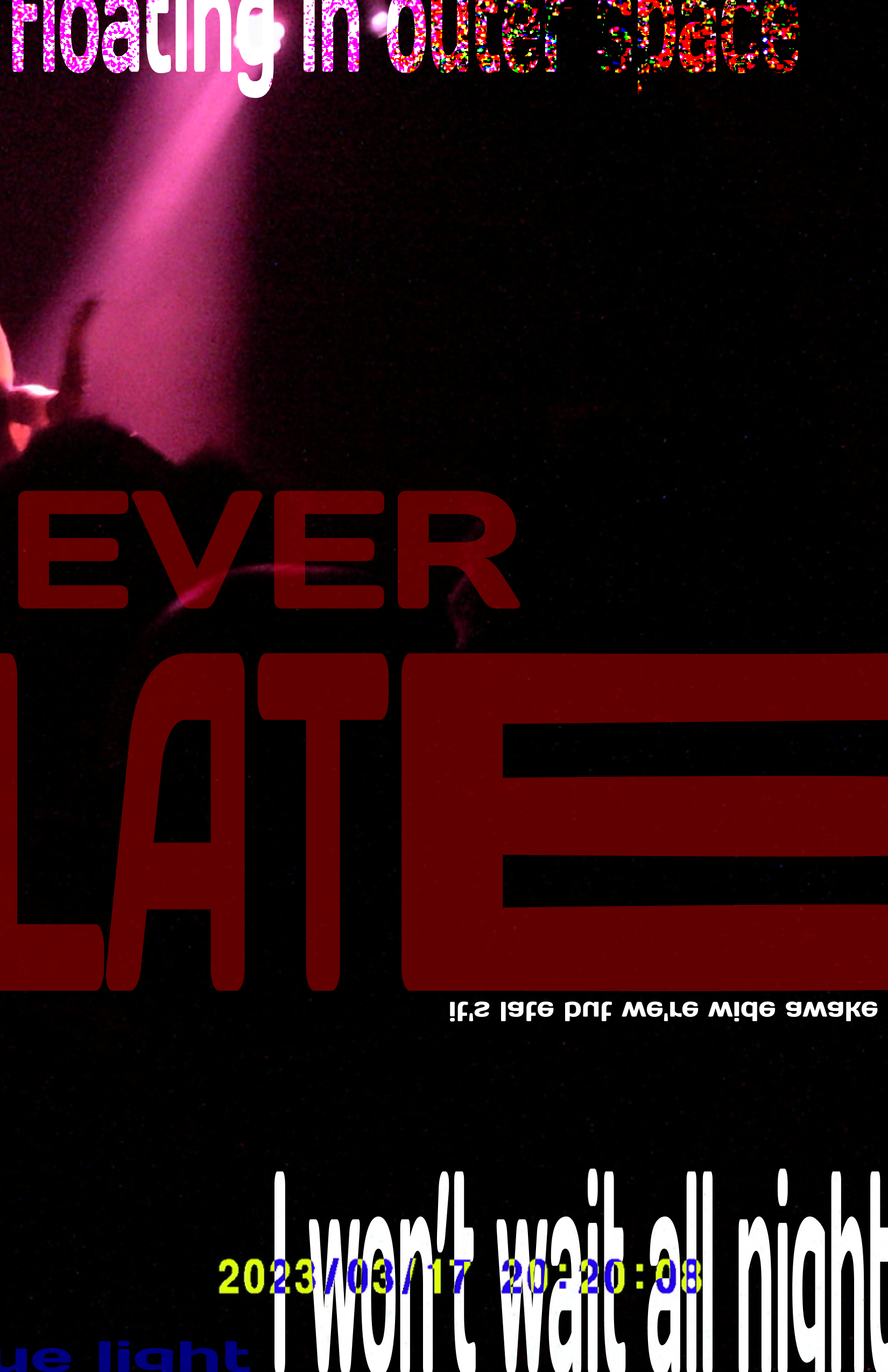
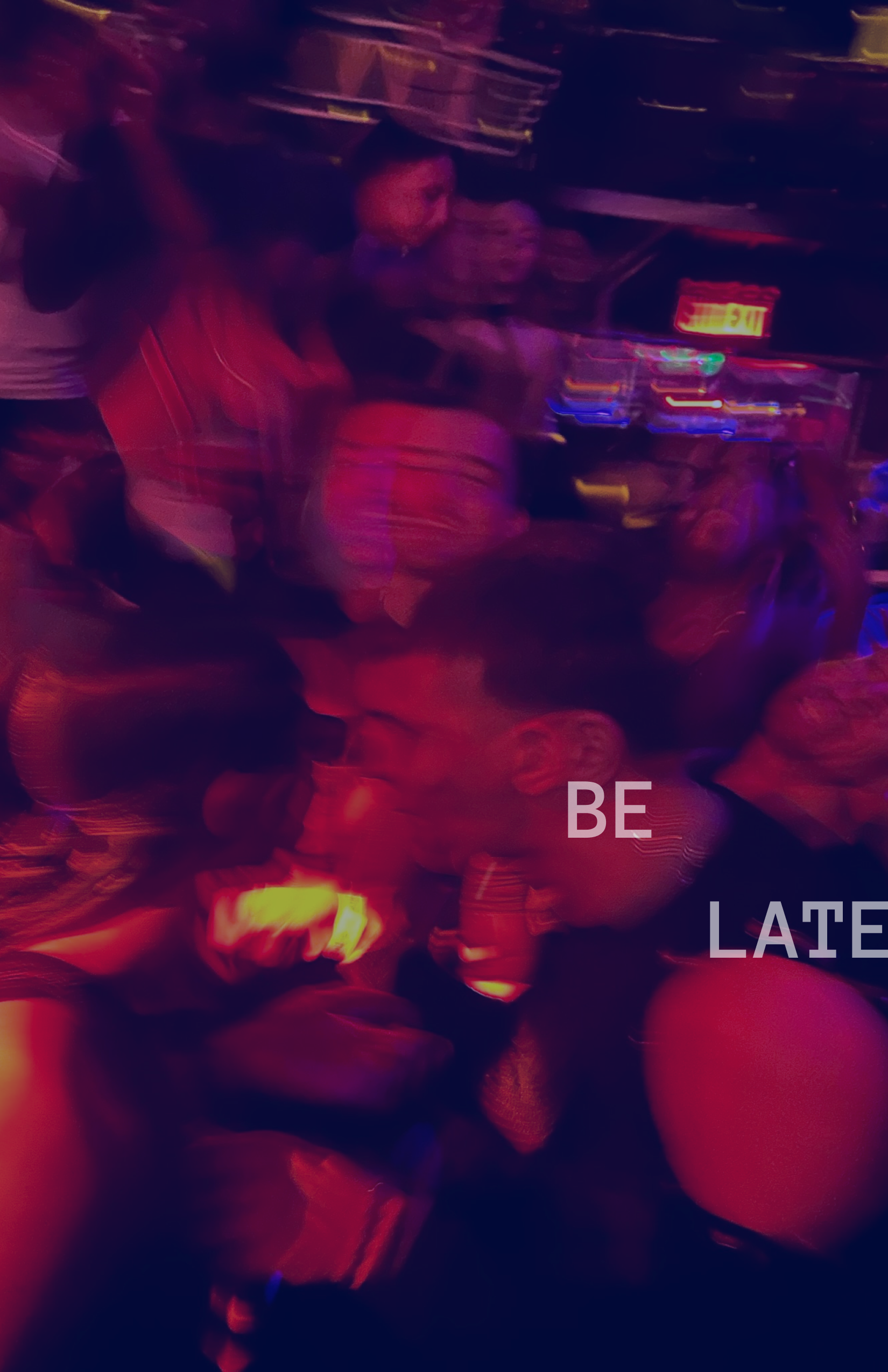
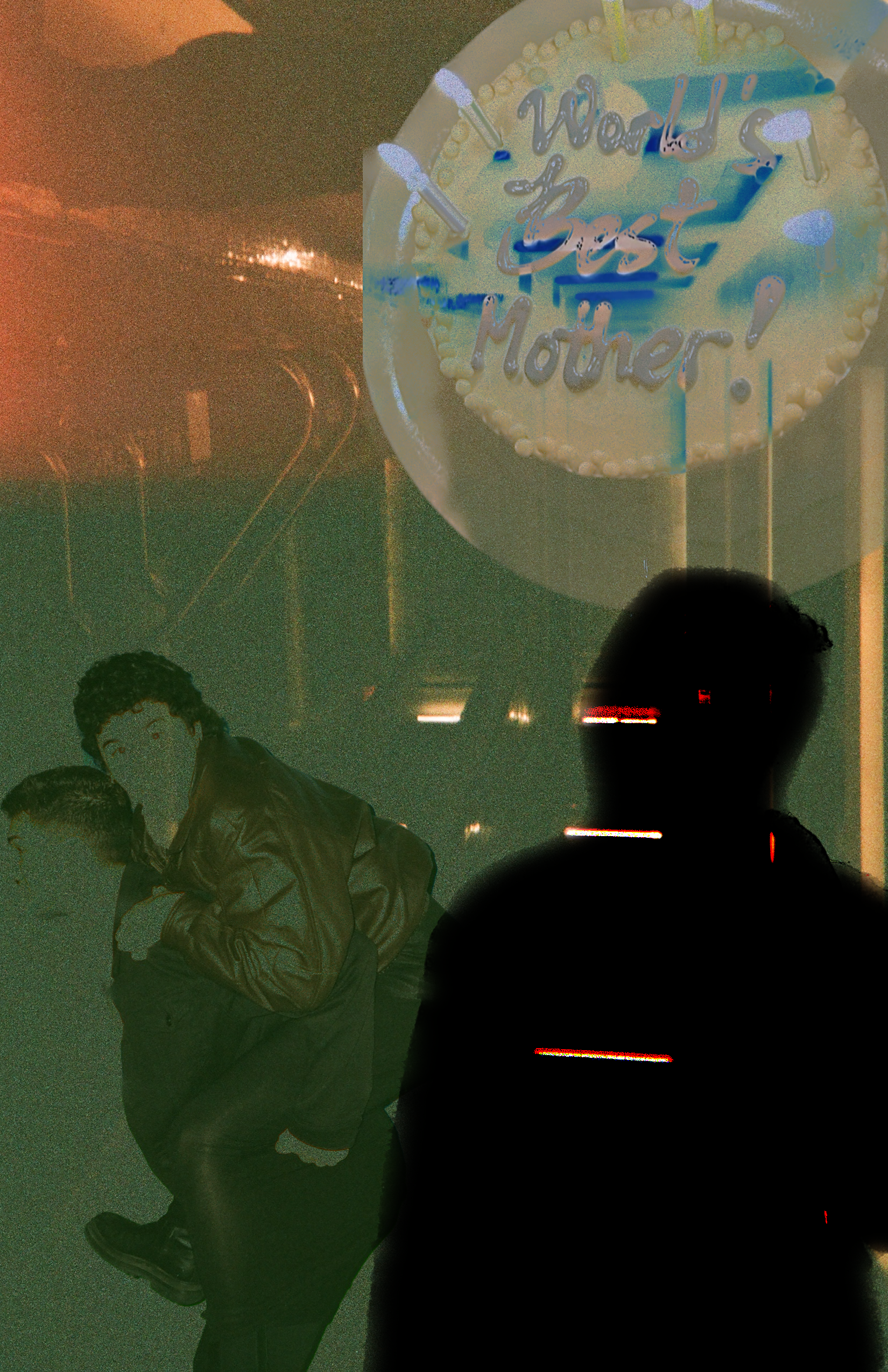
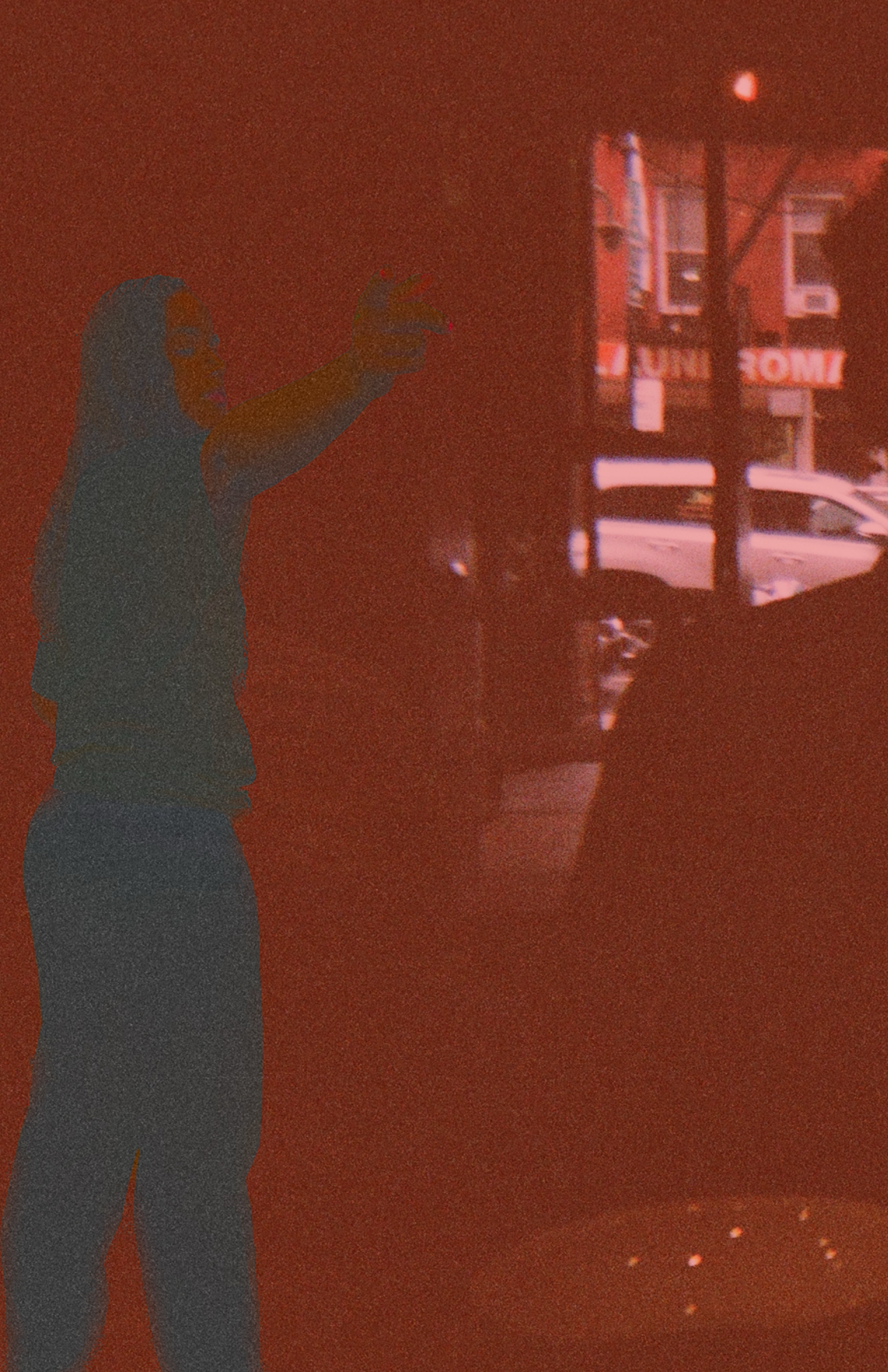
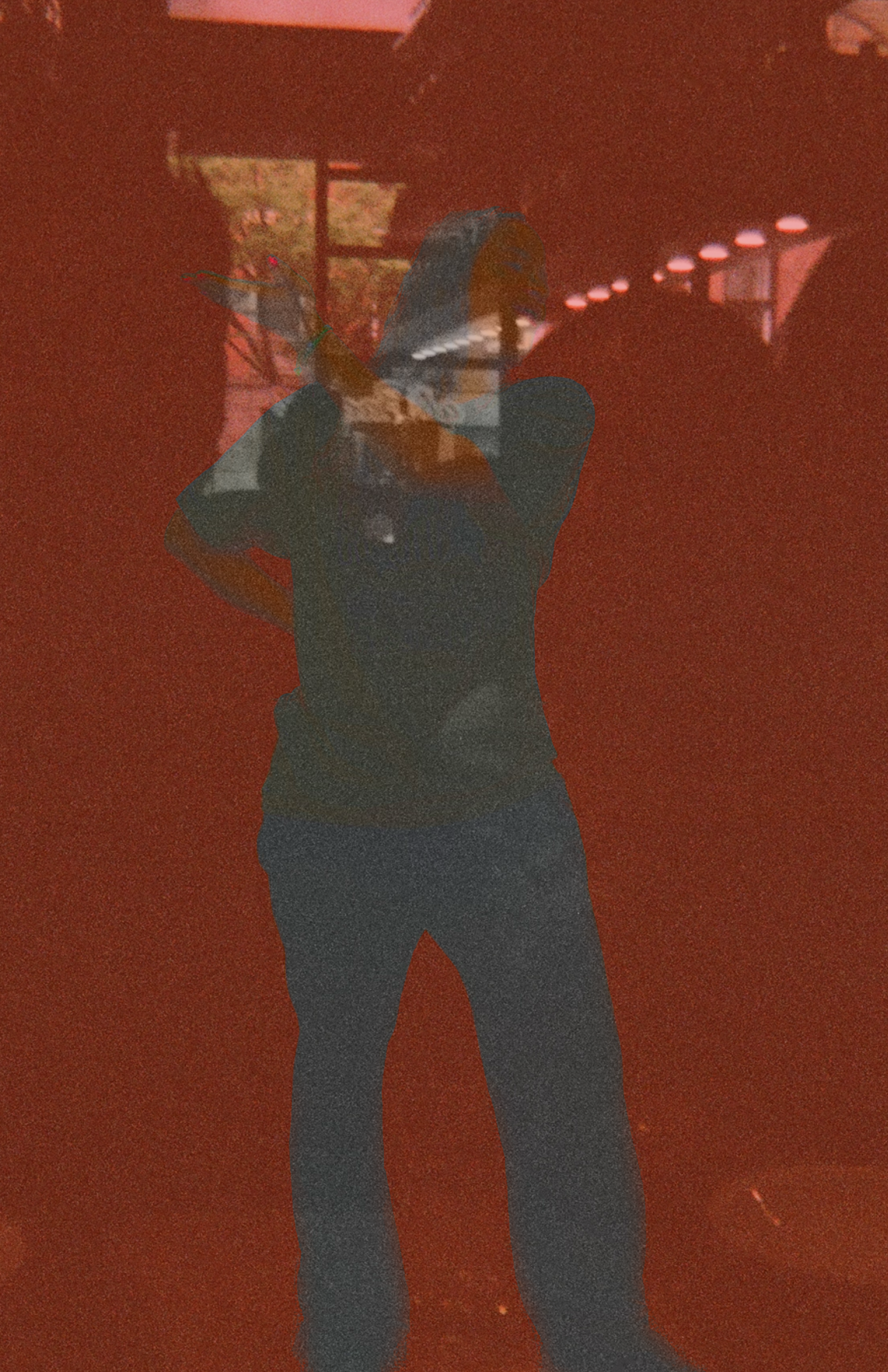
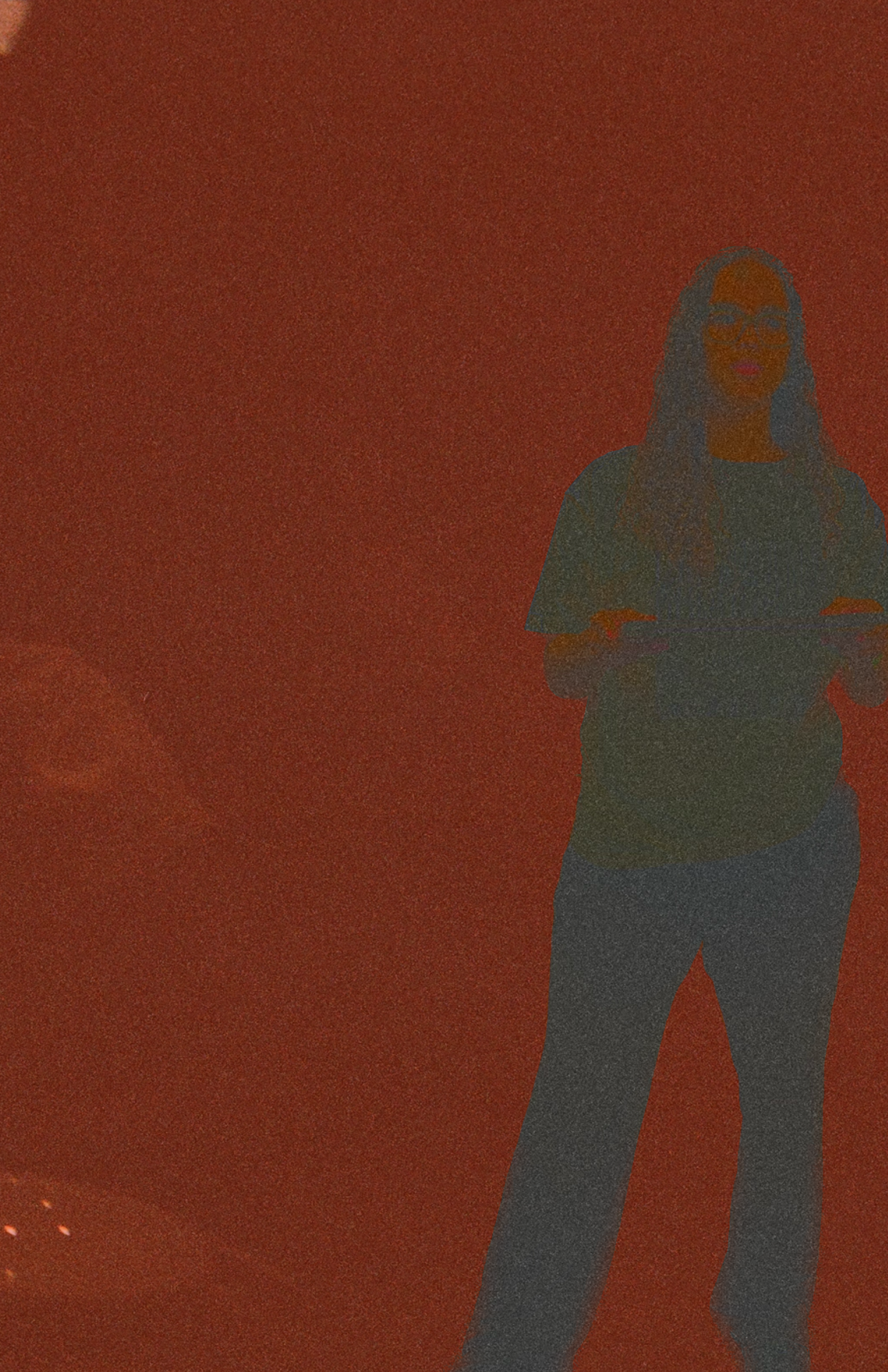
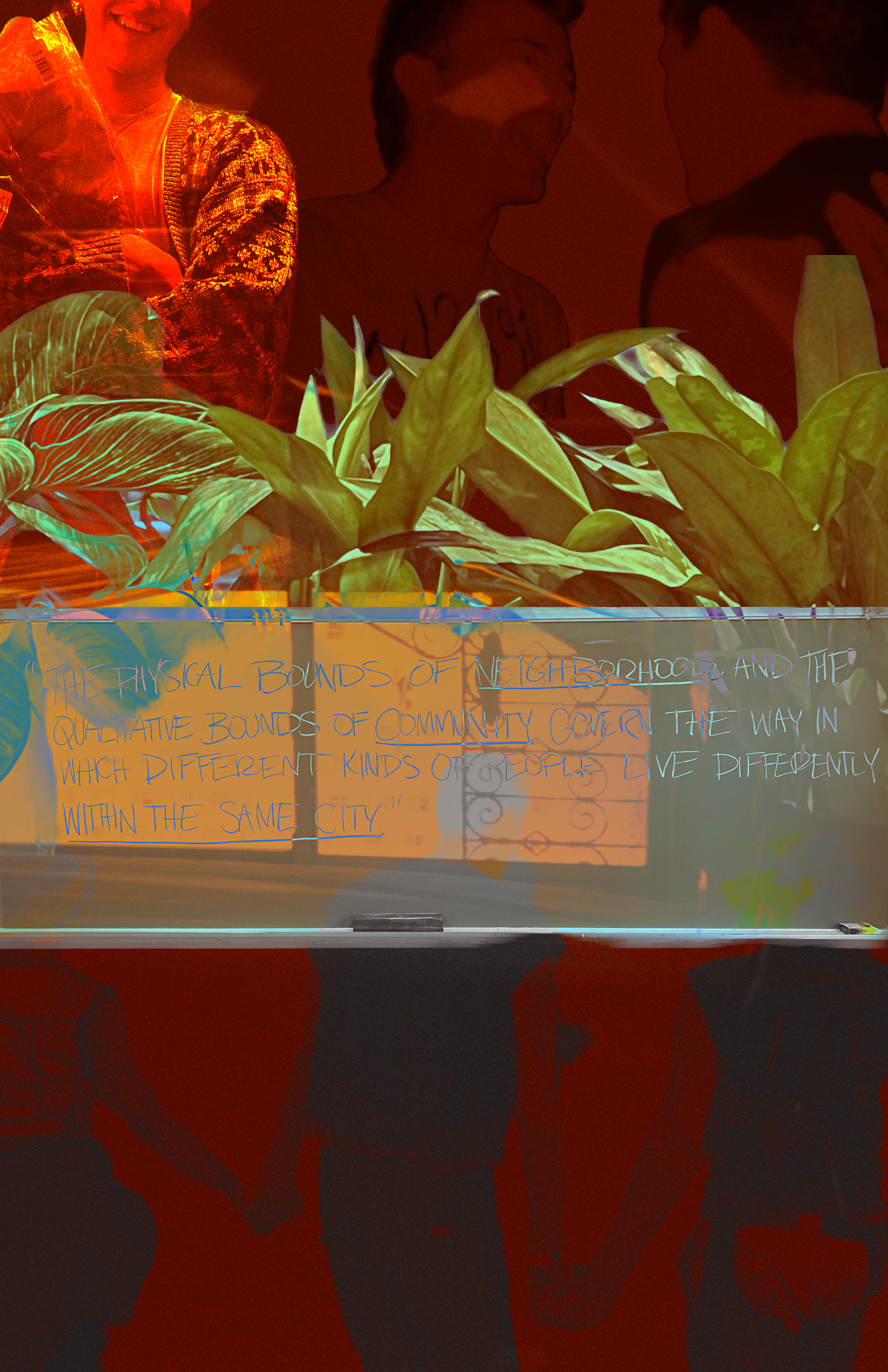
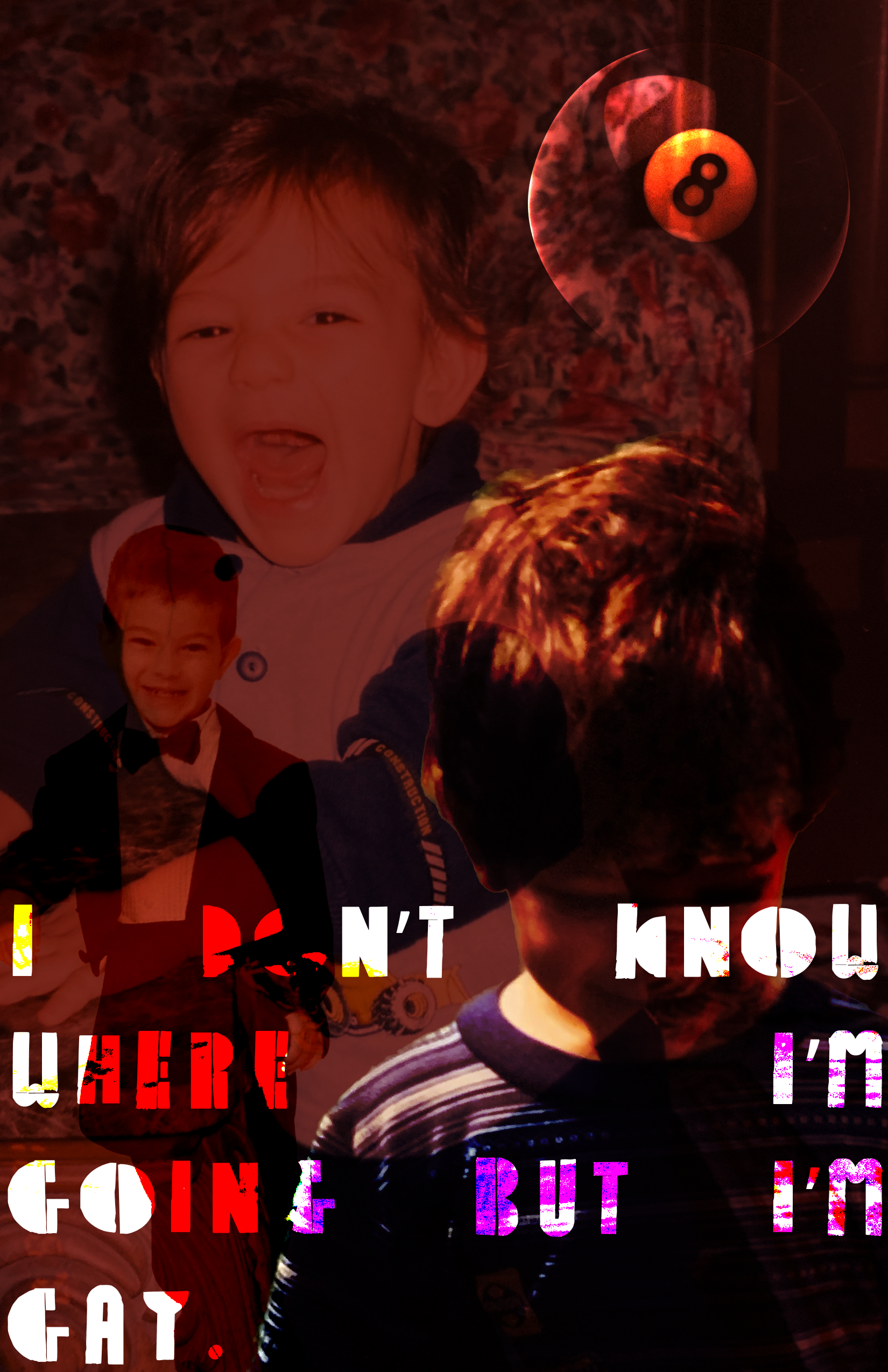
The zine features a lot of collage work which I curated in order to represent my community and all of the aspects of my life that are governed by time. By putting all of these aspects together on one page, I’m able to showcase how the characters, places, and activities in my life interact with one another, ultimately resulting in an all-encompassing portrait of my temporality. The essence of these collages is meant to demonstrate unlearning the mechanisms of heteronormative time by showing that all of the factors that govern my time interact and exist in ways that heteronormative temporality does not provide for. These pages helped me to see the value in the ways I choose to spend my time that don’t line up with what is traditionally important or productive. Heteronormativity governs anxiety over queer individuals who are trying to mobilize themselves into finding success, but this visual depiction of what my time encompasses serves as a reminder that my fulfillment comes in different ways than others. Another demonstration of temporality and queerness that I find incredibly important is music. Music measures time passing in a way that feels authentic and not rushed, allowing listeners to understand how much time has passed based on their listening behavior. In a two-page spread in the zine, I highlight Kelela, a Black, queer R&B artist. Her most recent album, “Raven,” addresses the theme of time throughout, with several songs having snippets of lyrics that relate directly to the theme of queer temporality. As a queer woman herself, she navigates through the album in a manner where she contradicts herself by saying “it’s never too late” but then in later songs declaring that “it’s sad ‘cause you’re late.” This notion of bouncing back and forth between having lyrics that exemplify having an endless liberty of time and those that demonstrates being forced back into traditional heteronormative notions of time speaks to the way that queer people experience time. The Kelela spread includes original photography I took from her concert in New York this past March and is surrounded with lyrics from “Raven” that carry themes of time. In paying homage to the main inspiration behind my choice to do a zine, I created a three page spread that serves as an emulation of the “Three Drawings” from the original FIRE!! zine that was made during the 1920s Harlem Renaissance. This interpretation of the “Three Drawings” uses a real subject through the means of photography, rather than drawings, and is pinned up against the background of my own community. This serves as a connection between my experience with queer temporality as I am navigating it today and the authors who describe the phenomenon of queer temporality. In using imagery from the original FIRE!! zine, I aim to showcase that our current understanding of queer temporality, along with several aspects of life for queer people of color, are owed to figures from the Harlem Renaissance. The use of color throughout the zine is also important. I demonstrate moments where I felt the pressure of heteronormative temporality by altering the original colors of the photos. In doing so, I aimed to showcase the differences in use of time between queer people and straight people and how in moments where I am using my time in ways that feel authentic to me or fulfill my aspirations, I feel as if I am wasting my time because of the pressures of heteronormative temporality.
-
This zine was an incredibly important project to me. Through tying visual mechanisms and design decisions to the theoretical and academic concepts that we explored, I was able to make a quick turnaround from the time I learned about the concept of queer temporality to producing a multimedia project that demonstrates what it means to me. The visuals in the zine did not come as a result of learning about queer temporality just a few weeks prior. The formal introduction into queer temporality as a very real phenomenon opened up the thoughts, feelings, and experiences that I have had throughout my entire life. I came to understand my sexuality at a young age, but I never would have imagined how much more complex queerness is than just the people you are attracted to. It governs our values, sense of time, the way we navigate through the world, our creativity, the goals we pursue, the jobs we hold, the spaces we occupy. Throughout my life, time served as an ever present reminder that I was not navigating through the world in the same manner as my family, my peers, and—for the majority of my life—pretty much everyone around me. The liberation that I felt at 22 years old when I learned that other people felt the same way that I do and living one’s life through a schedule based on queerness is a valid and real phenomenon is what I brought into the zine. Several concepts we explored in this course served as validation points for the experiences I have not been able to understand and I hope that other young queer people can find that same validation. This zine demonstrates my analysis of the authors we encountered throughout the semester through the lens of my own life and it showcases me coming to terms with the way I have changed as a person, what my queerness means to me, and how it manifests itself in my life’s temporality.